SOUTH AFRICAN EXPERTISE. WORKING FOR AFRICA. 24/7 FIELD SERVICE 066 229 3300
AFRICAN DREDGING SOLUTIONS / ON-SITE SERVICES

Restore flow.
Recover capacity.

Dredging, desilting and sludge-removal services for mining, municipal, industrial and water-management projects. Site assessment, removal planning, equipment deployment and the transfer system can be coordinated as one project.

SERVICE DELIVERY, EQUIPMENT & COMPLETE SYSTEMS

More than equipment supply.

On-site dredging and desilting services sit alongside robot sales, hose supply and engineering. The project scope can include remotely operated removal, slurry pumping, hose routing and the required pipeline connections.

Dredging & desilting services

Project-based sediment, silt and compatible sludge removal, with the working method selected for the site.

Slurry-transfer engineering

Pump-duty assessment, suction and discharge lines, couplings, flanges and an agreed transfer destination.

Equipment & support

AMS-D500 robot supply, operating configuration, hose systems and technical support for the agreed duty.

SEVEN APPLICATION ENVIRONMENTS

A removal plan for your environment.

Applications are assessed against the actual sediment, access and operating conditions. The appropriate configuration is confirmed with the project quotation.

01 / APPLICATION ENVIRONMENT

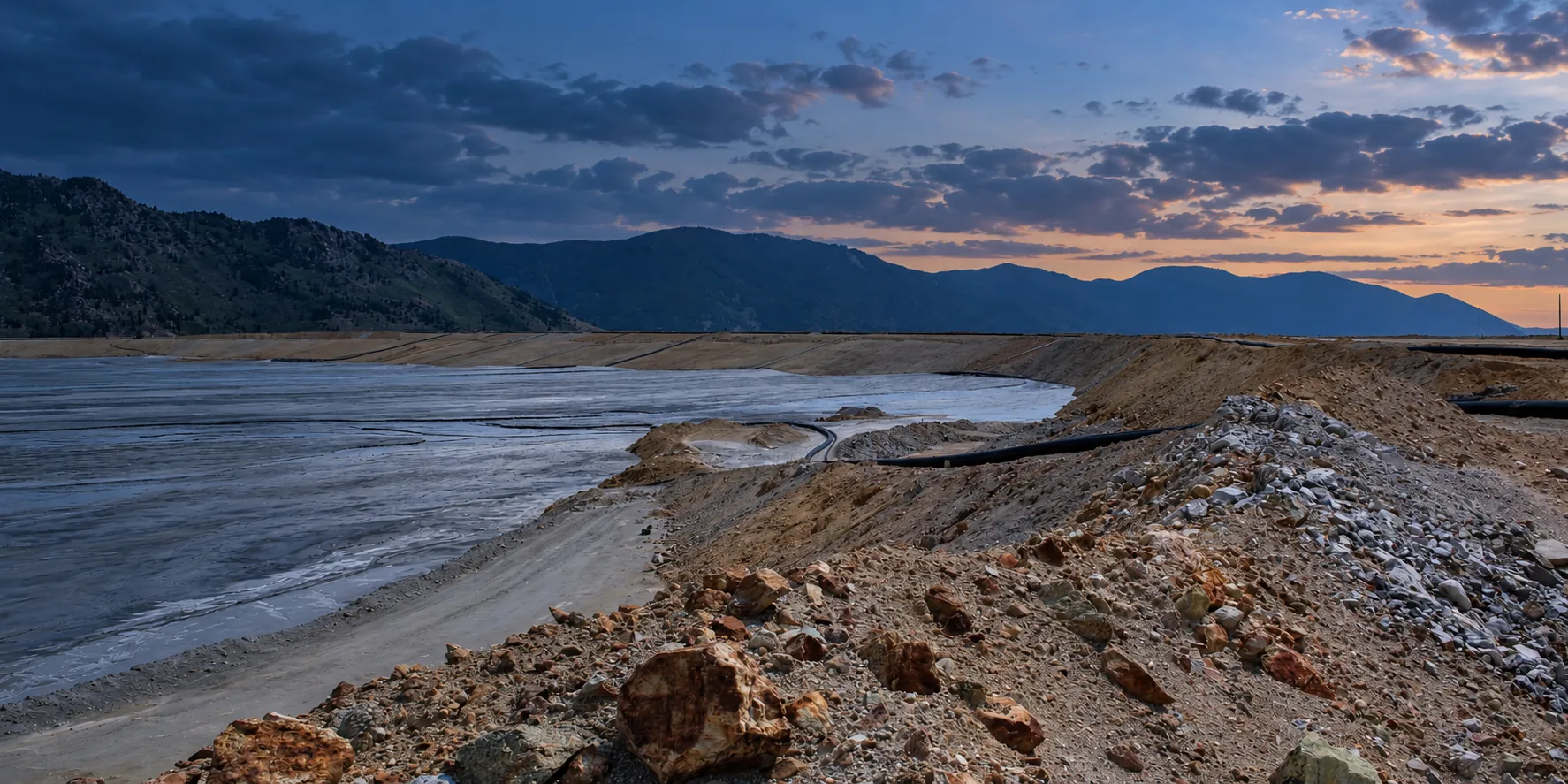
Mining, tailings & process-water systems

Sediment and slurry removal planned around the mine’s operating requirements.

  • Tailings ponds, settling dams and return-water dams
  • Process sumps, mine pits and collection ponds
  • Tailings recovery and pumpable slurry transfer
  • Plant-water basins, drainage channels and dewatering support
02 / APPLICATION ENVIRONMENT

Urban pipelines, culverts & drainage

Restore usable flow area in accessible drainage and collection infrastructure.

  • Stormwater and sewage pipelines
  • Box culverts, road culverts and inverted siphons
  • Open channels, drains, ditches and catchpits
  • Pumping-station sumps and collection tanks
03 / APPLICATION ENVIRONMENT

Water & wastewater treatment

Remove accumulated deposits from compatible treatment and process-water structures.

  • Sedimentation tanks, clarifiers and settling basins
  • Filter-pool sediment areas and cooling-water basins
  • Collection tanks, water-storage tanks and wash-water sumps
  • Sewage tanks, waste-liquid pits and sludge-holding areas
04 / APPLICATION ENVIRONMENT

Rivers, dams, lakes & ponds

Application-led desilting for managed water bodies and their intake structures.

  • Rivers, lakes, reservoirs and farm dams
  • Fish ponds, irrigation ponds and landscape water bodies
  • Canals, ditches and stormwater-retention ponds
  • Hydropower forebays, intake approaches and sediment traps
05 / APPLICATION ENVIRONMENT

Industrial, petrochemical & oil facilities

Tank and sump projects are assessed for their contents, access and operating environment.

  • Compatible industrial storage and process tanks
  • Petrochemical and fuel-storage tank projects
  • Oil tanks, oil-collection sumps and recovery stations
  • Service pits, containment basins and process-liquid pools
06 / APPLICATION ENVIRONMENT

Food, beverage & agricultural processing

Cleaning scope and equipment are selected for the required hygiene and material compatibility.

  • Sugar and syrup process or storage tanks
  • Milk and dairy holding or process vessels
  • Edible-oil tanks and compatible food-process vessels
  • Agricultural settling ponds and process-water collection areas
07 / APPLICATION ENVIRONMENT

Wetlands, tidal areas & waste facilities

Sediment handling for sensitive ground conditions and controlled waste-water environments.

  • Wetland margins, marshy ground and shallow tidal-flat pools
  • Silted channels and compatible pond deposits
  • Waste-handling and treatment-site sumps
  • Leachate, runoff and contaminated-water collection ponds

Application suitability is established before quotation. Access, particle size, slurry density, abrasion, operating depth and discharge arrangements determine the equipment and method. Hazardous-area work requires appropriately approved equipment and site-specific procedures; food-contact work requires a compatible hygienic configuration and cleaning validation.

FROM SITE ASSESSMENT TO HANDOVER

A clear project sequence.

01

Assess the site

Confirm access, dimensions, water depth, sediment characteristics, utilities and the desired outcome.

02

Engineer the removal plan

Select the removal method, robot or pumping equipment, hose route, discharge destination and containment scope.

03

Mobilise & remove

Coordinate deployment, remote operation where suitable, sediment agitation and controlled slurry transfer.

04

Verify & hand over

Review the agreed completion criteria and provide the project records specified in the quotation.

YOUR DIRECT TECHNICAL CONTACT

Juan Gelderblom.

BEng Mining | BEng (Hons) Mechatronics

African Dredging Solutions
24/7 FIELD SERVICE066 229 3300WhatsApp Juan